What Is Yuri? Complete Guide to the Girls' Love Genre
What does yuri mean? A complete guide to yuri, the Japanese genre of girls' love (GL) manga, anime, and webtoons. History, themes, and where to start reading.
January 29, 2026•Updated June 17, 2026•10 min read•Yurivan Editorial
Yuri (百合, meaning 'lily' in Japanese) is a genre of manga, anime, and light novels centered on romantic relationships between women. It is synonymous with GL (girls' love) and covers every story focused on women-loving-women (WLW) relationships, from sweet school romances to mature adult drama. The term has been used since the 1970s.
This guide covers what yuri means, where the term comes from, how yuri manga differs from other genres, and the best series for getting started.
What Does Yuri Mean?
Yuri (百合) literally translates to 'lily' in Japanese. As a genre label, yuri describes stories about romantic, emotional, or sexual relationships between women. The term covers all media, manga, anime, light novels, visual novels, and webtoons, not just comics.
Unlike genres defined by setting or plot structure, yuri is defined by the relationship at its center. A yuri story can be a high school romance, a workplace drama, a fantasy adventure, or a slice-of-life comedy, what makes it yuri is the focus on women-loving-women relationships.
Etymology: Why 'Yuri'?
The word 'yuri' (百合) means 'lily' in Japanese. The term was first used in the 1970s by Ito Bungaku, editor of a gay men's magazine called Barazoku (Rose Tribe). He used 'yuri' as a counterpart to 'bara' (rose), which referred to gay male content.
Over time, 'yuri' became the standard term in Japan for stories featuring female-female relationships. The lily flower itself carries associations with purity and beauty in Japanese culture, which influenced its adoption for this genre.
History: From Class S to Modern GL
Yuri has roots in early 20th-century Japanese literature. The 'Class S' (esu) genre emerged in the 1910s and 1920s, depicting intense emotional bonds between schoolgirls. Yoshiya Nobuko, one of Japan's first openly queer authors, published Flower Tales (Hana Monogatari) from 1916 to 1924, an early landmark of the genre and the spiritual ancestor of every yuri series in print today.
Through the mid-20th century, yuri themes appeared in shoujo manga, often as subtext or secondary storylines. The 1970s brought works like Ikeda Riyoko's Dear Brother (Oniisama e..., 1974), which explored intense female relationships in an all-girls school setting and helped normalize WLW themes in mainstream manga.
The modern yuri manga industry took shape in 2003 when Ichijinsha launched Comic Yuri Hime, the first dedicated yuri manga magazine. This gave creators a focused platform and helped establish yuri as a distinct commercial category. By the 2010s, digital platforms and international licensing brought yuri to global audiences. Today, publishers like Seven Seas Entertainment and Yen Press regularly release licensed English translations, and Korean GL manhwa and Chinese baihe have expanded the genre far beyond Japan.
Yuri vs GL vs Shoujo-ai
You may encounter several terms used for this genre. Here's what they mean:
Yuri: The Japanese term. Standard in Japan and widely used internationally.
GL (Girls' Love): The industry label used by publishers in Japan, Korea, and English-speaking markets. Functionally identical to yuri.
Shoujo-ai: A term that emerged in early 2000s Western fandom to mean 'softer' romance. Not used by Japanese publishers. Usage has declined.
Baihe: The Chinese term for yuri/GL. Literally means 'lily' (same meaning as yuri).
In practice, 'yuri' and 'GL' are interchangeable. Most modern discussions simply use 'yuri' as the umbrella term.
Common Themes and Settings
Yuri manga spans a wide range of themes and settings. The most common include:
School life: The most common setting. Stories of first love, self-discovery, and coming-of-age in high school or university.
Workplace: Adult relationships navigating career pressures and professional boundaries. Growing in popularity.
Slice of life: Gentle, everyday stories focused on quiet moments and domestic intimacy.
Fantasy/Isekai: Magical worlds, reincarnation stories, and adventure with yuri relationships at their core.
Historical: Stories set in past eras, from Meiji Japan to European aristocracy.
Content Range: SFW to Adult
Yuri manga exists across the full spectrum of content ratings. Knowing what to expect helps you find stories that match your preferences:
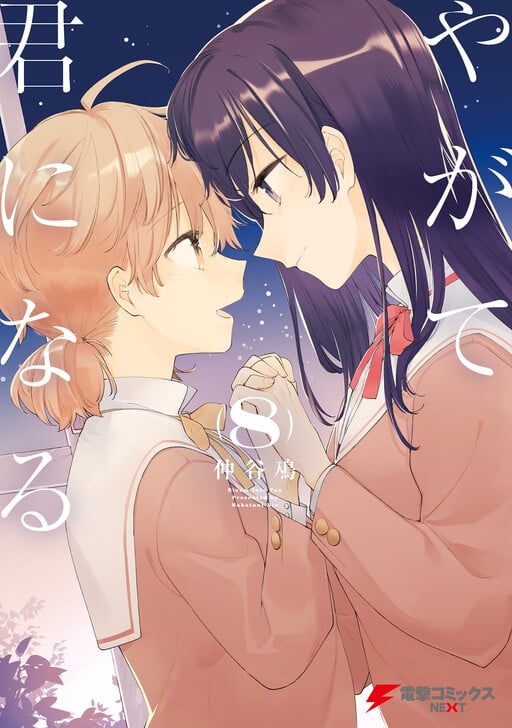
All Ages / Teen: Wholesome romance with no explicit content. Examples: Bloom Into You, Kase-san series.
Older Teen (16+): May include suggestive scenes or mature themes without explicit content. Examples: Citrus, Whispered Words.
Mature / Adult (18+): Explicit sexual content. Published in adult magazines or under adult imprints like Seven Seas' Ghost Ship.
Always check publisher ratings and content warnings before reading. Most mainstream yuri is appropriate for general audiences.
How to Find Yuri Responsibly
Supporting creators and publishers keeps the genre healthy. These habits help you find quality work and avoid unauthorized sources:
Start with official platforms and licensed publishers like Seven Seas Entertainment or Yen Press.
Check age ratings and content warnings before you read.
Follow creators you enjoy and respect their sharing rules.